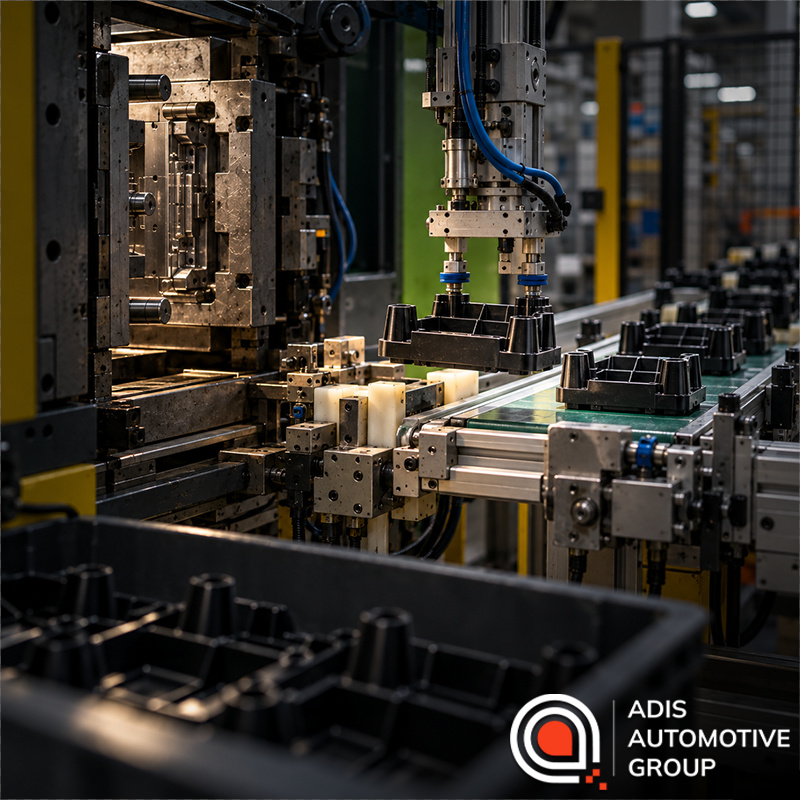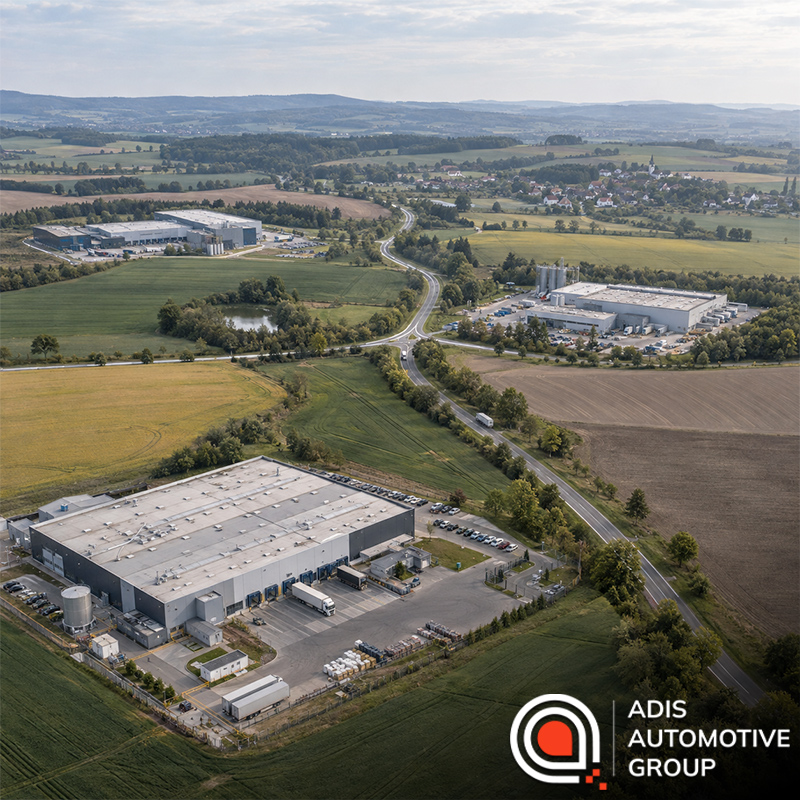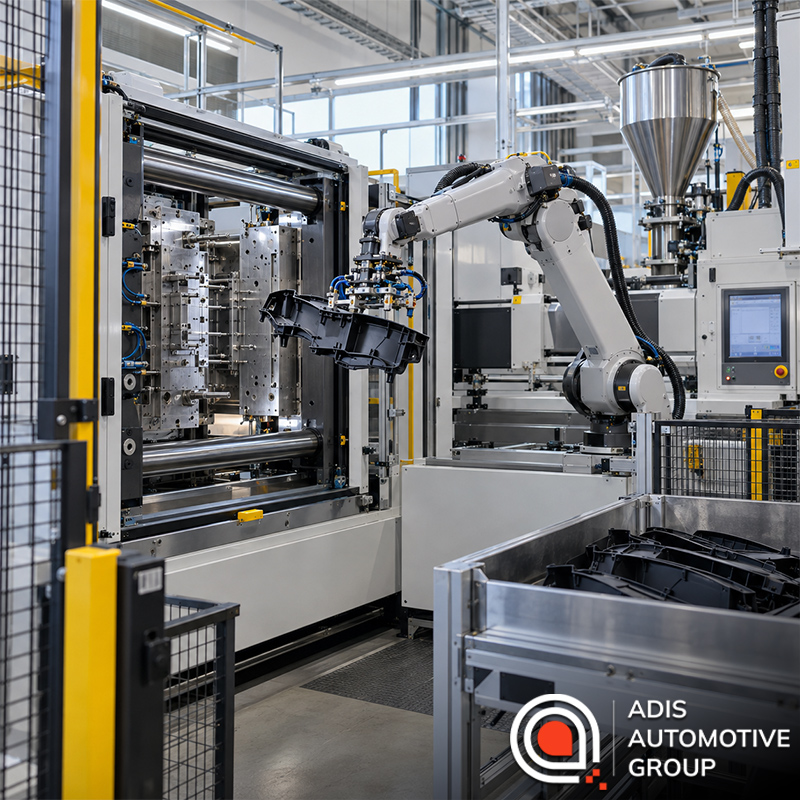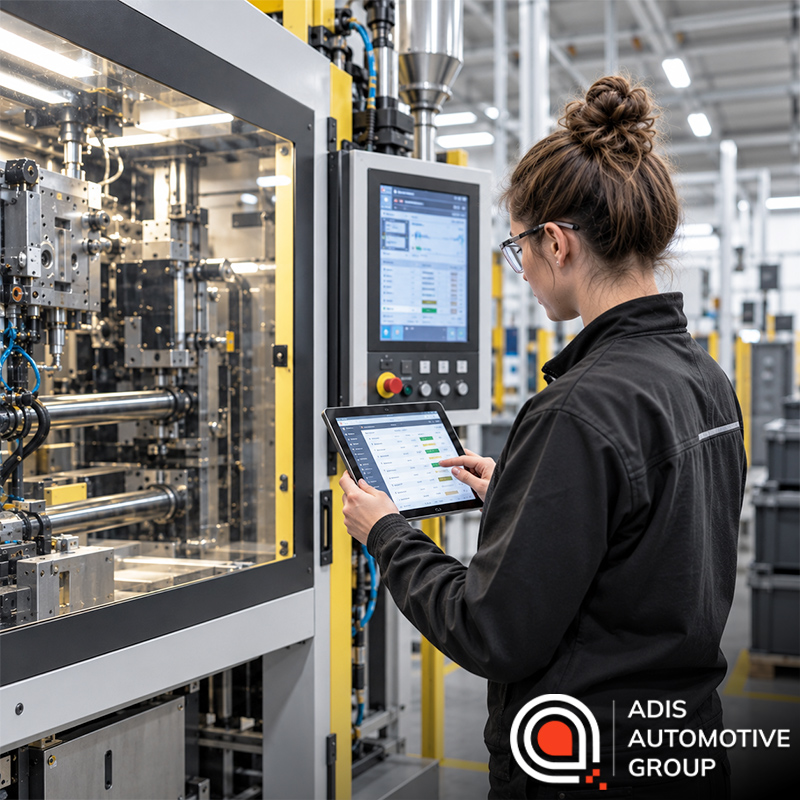
What you see first is the machine.
What matters more is everything behind it.
Manufacturing capacity is relatively easy to buy. A new injection molding machine can increase output. Another production cell can add capacity. More floor space can create room for growth.
But none of those things tell you how capable a manufacturer really is.
The better questions are harder.
What problems can you solve? How quickly can you industrialise something new? How deeply do you understand tooling, materials, automation, validation and the complete production chain?
Because when a new project arrives, the challenge is rarely just making the part.
It may mean identifying a tooling risk before steel is cut. Understanding how a material choice will affect processing and dimensional stability. Designing automation around the process instead of adding it afterwards. Building quality controls into production. Or finding a way to eliminate an operation completely.
That kind of capability isn't bought with a purchase order. It's built through years of projects, problems, failures, improvements and lessons that gradually become part of how an organisation thinks. 🦾
OEMs and Tier-1s don't simply need suppliers with enough machines to make their parts. They need partners who can understand the wider challenge, industrialise it efficiently and keep the process stable once production begins.
Capacity tells you how much a manufacturer can produce.
Capability tells you what they can make possible.