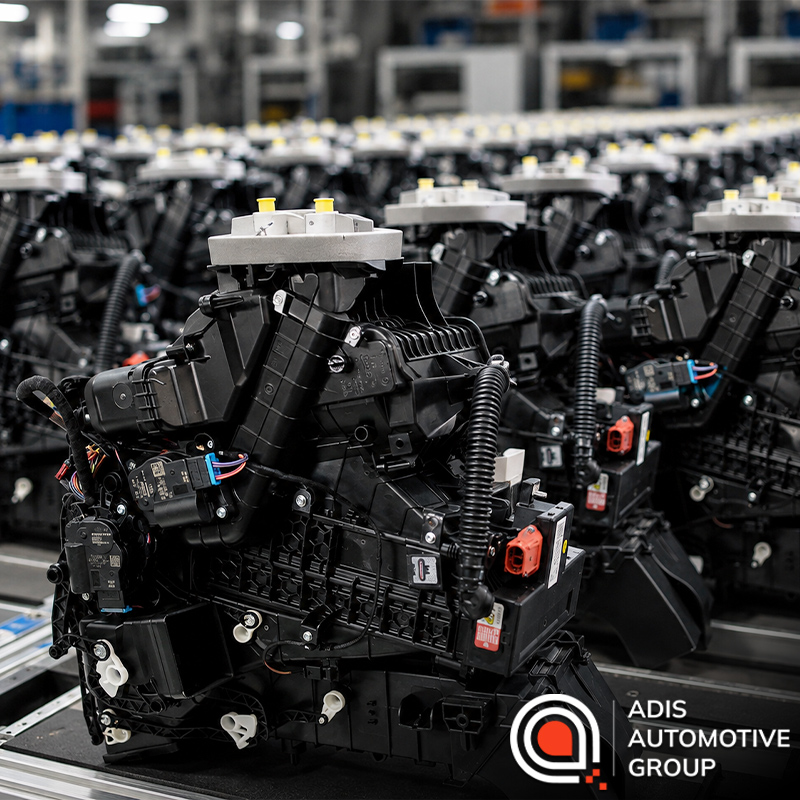
One perfect component gets attention. Thousands of identical components earn trust. 🦾
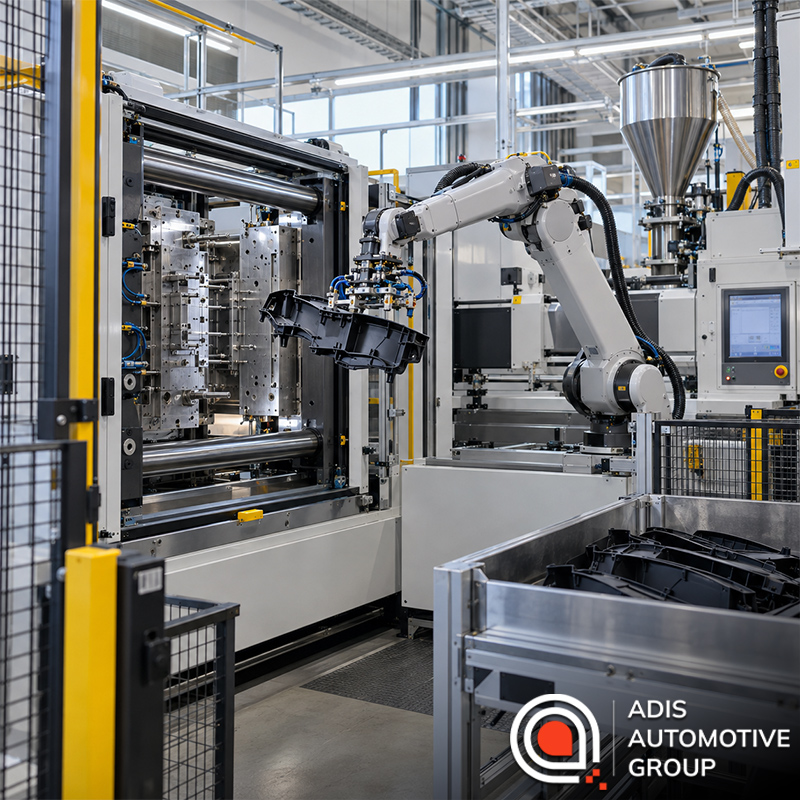
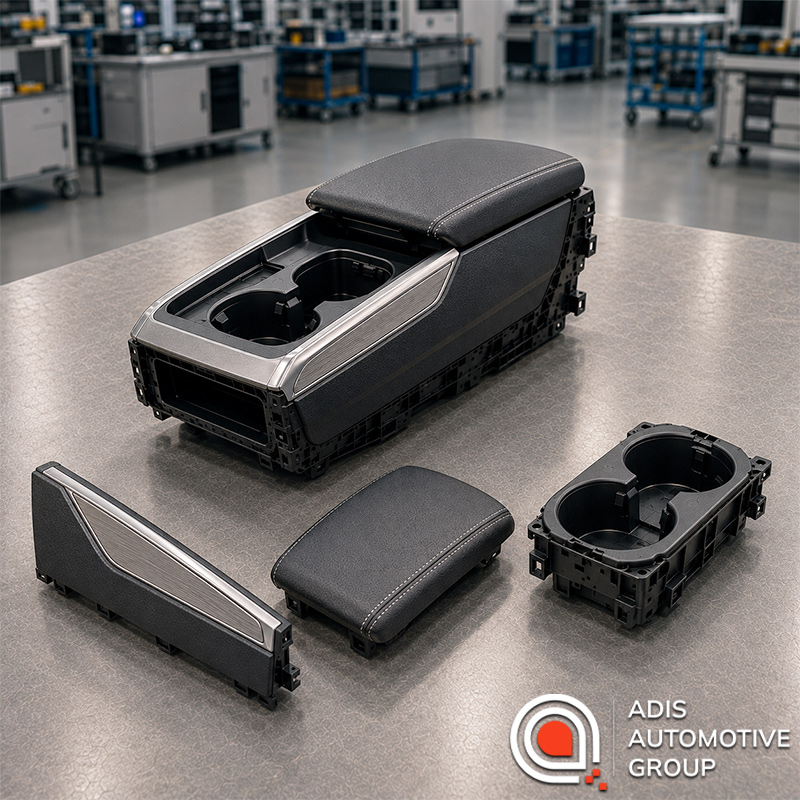
As vehicle platforms become more advanced and lightweighting demands increase, plastic injection molded components are taking on more critical responsibilities than ever before. Structural brackets, fluid management systems, interior assemblies, and functional housings are expected to perform flawlessly in environments where there is little room for error.
For automotive manufacturers and Tier-1 suppliers, this raises an important question: is your supply chain built to keep pace?
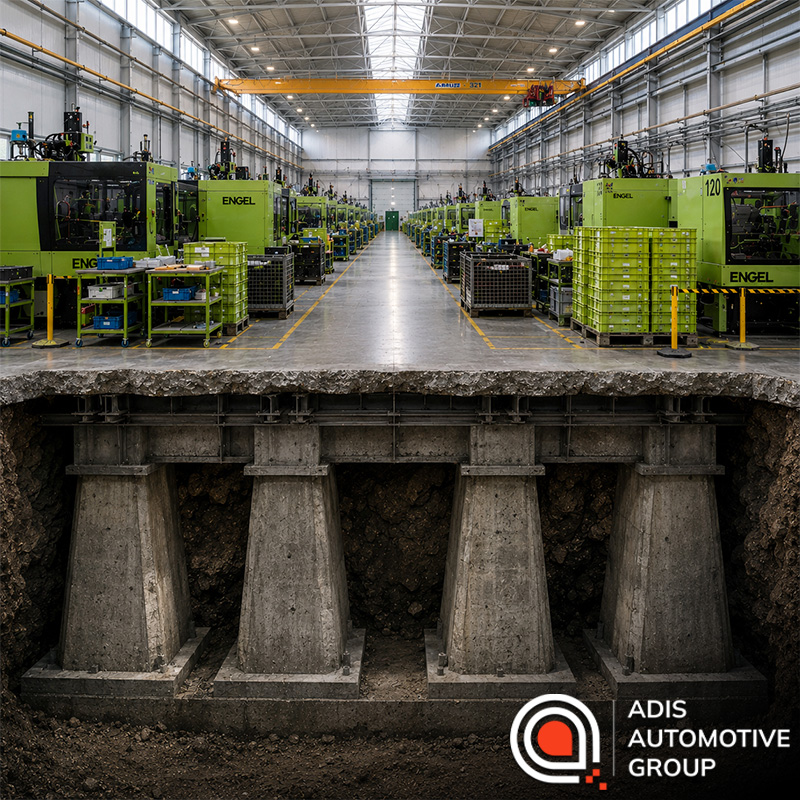
At ADIS AUTOMOTIVE GROUP, we've built our operations around a simple principle: precision is non-negotiable, regardless of volume. That requires far more than production capacity. It requires robust processes, technical expertise, disciplined execution, and a deep understanding of how every component contributes to the final vehicle.
In practice, that means:
1️⃣ Advanced tooling design and Moldflow analysis before a single shot is produced. Solving issues during development is faster, less costly, and far more effective than correcting them later in production.
2️⃣ Tight in-process monitoring throughout every production run. Real-time process data helps identify and correct variation before it becomes a defect.
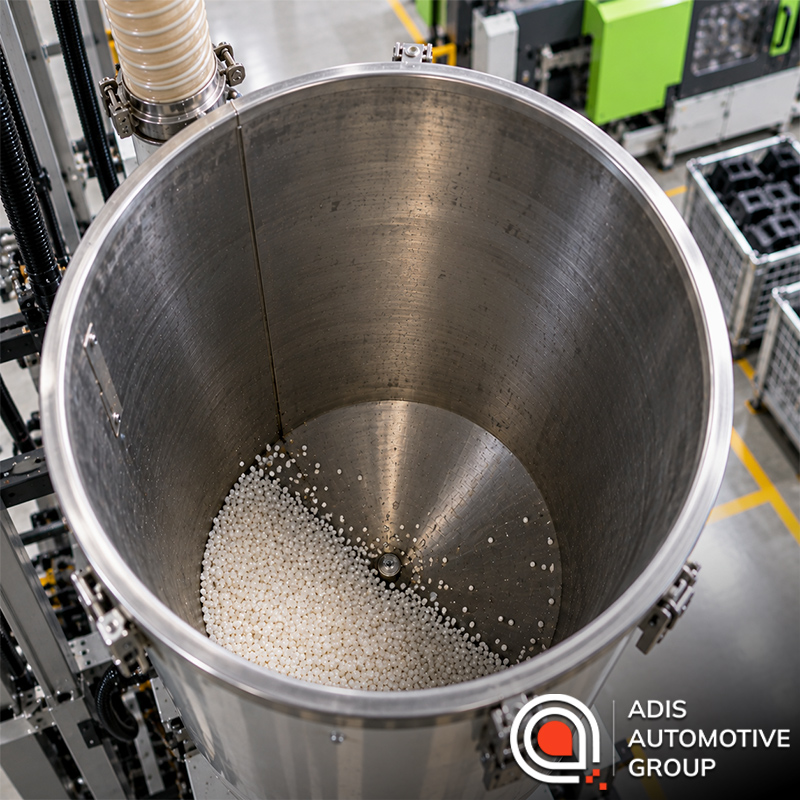
3️⃣ Material expertise developed through years of experience with engineering-grade polymers operating under demanding conditions, including heat, vibration, chemical exposure, and long-term mechanical loads.
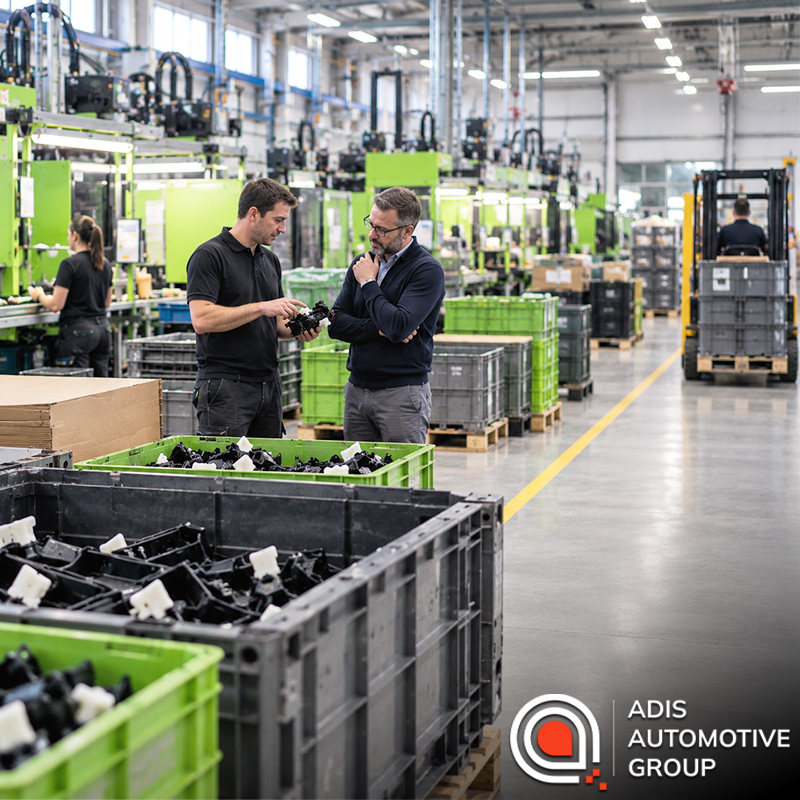
4️⃣ Teams with deep application knowledge who understand not only how to manufacture a component, but why it must perform the way it does.
5️⃣ Reliable delivery performance aligned with OEM and Tier-1 production schedules, helping reduce risk and support uninterrupted manufacturing operations.
The automotive industry doesn't tolerate weak links. Recalls are expensive. Downtime is unacceptable. Reputations take years to build and moments to damage.
That's why quality isn't something that can be achieved once and forgotten. It must be maintained every day, across every shift, every tool, every process, and every brand within the organization.
How is your organization ensuring precision and consistency as automotive requirements continue to evolve?