Quality, proximity, and cost are reshaping how OEMs choose suppliers across Europe.
As supply chains become more complex and OEM expectations continue to rise, many manufacturers are rethinking where their critical components come from. Increasingly, they're turning to Central Europe.
At ADIS AUTOMOTIVE GROUP, we see the benefits of this shift every day because it's exactly where our strengths align with what the industry now demands.
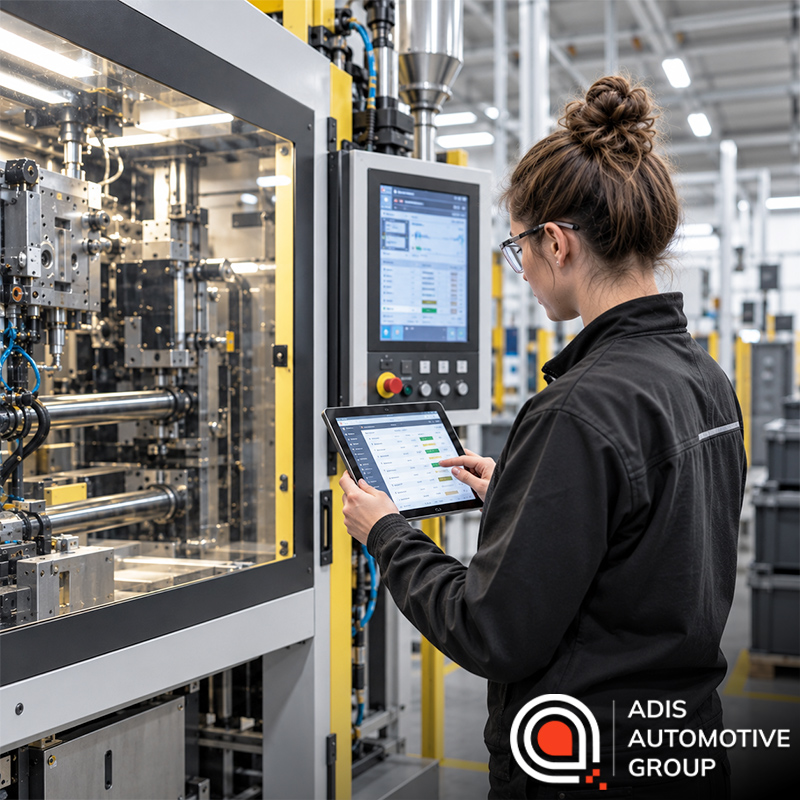
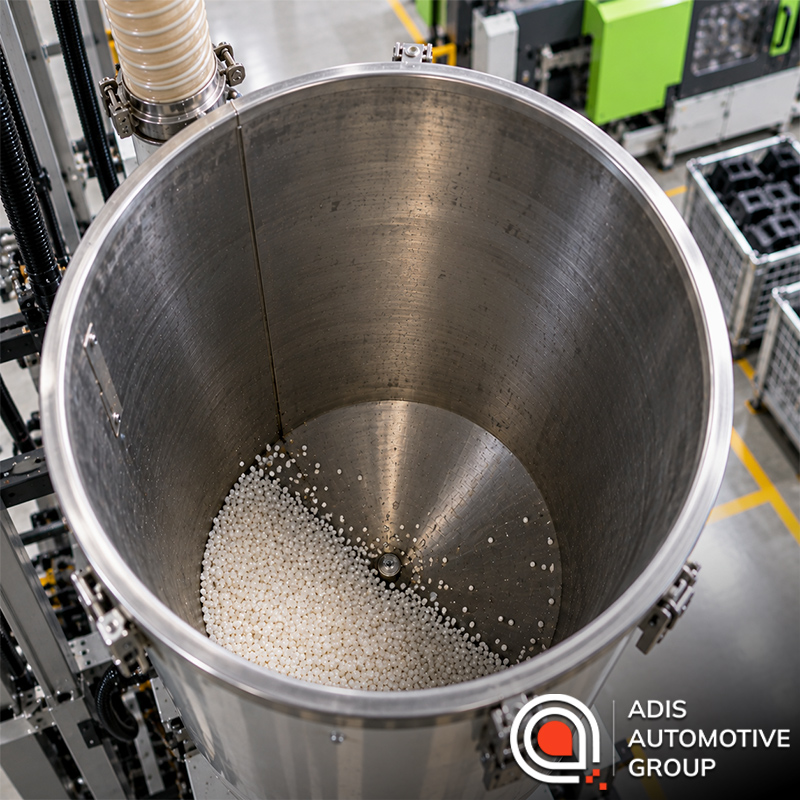
🦾 Quality is the first and most important driver. Central Europe has spent decades building a reputation for engineering excellence, strong technical education, and disciplined manufacturing. For our customers, that translates into IATF-aligned processes, precision injection-molded components, and production systems designed for repeatability at scale. It's not just about meeting specifications. It's about delivering the consistency and reliability that modern vehicle platforms require.
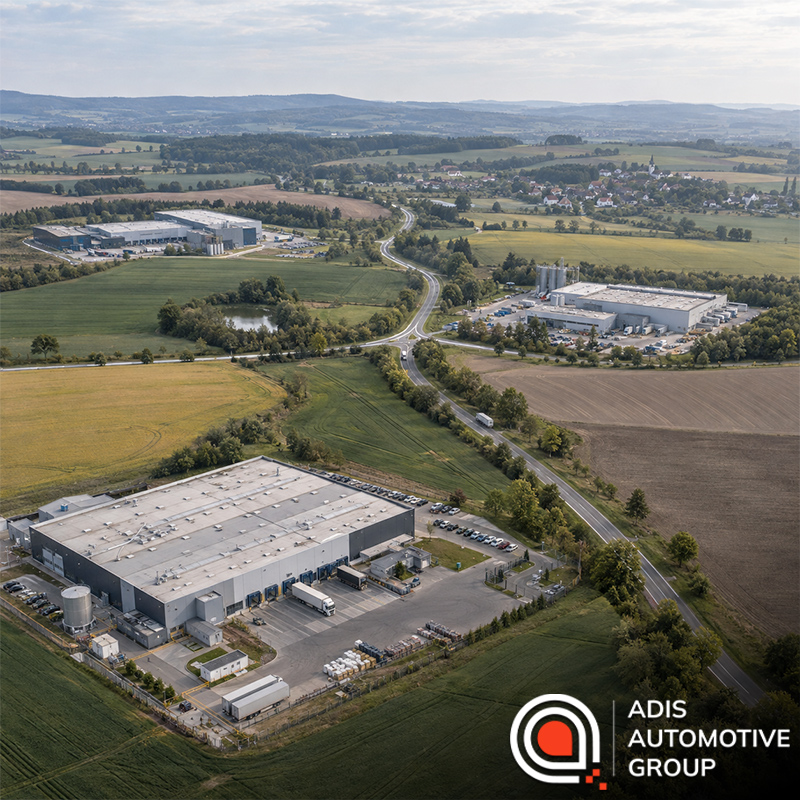
📍 Location is the second advantage, and it's one that becomes more valuable every year. Being in the heart of Europe means shorter lead times, lower logistics risk, and faster collaboration between engineering teams, especially when time zones align. When a design change is needed, a tool requires review, or a customer requests on-site support, proximity matters. It helps keep programs on schedule and reduces the hidden friction that often comes with long-distance supply chains.
💲 Cost is the third pillar, but not in the traditional sense of "cheapest supplier wins." Working with a Central European partner like AAG means optimized labor and operational costs, lower total landed costs, and greater pricing predictability. Shorter transport routes can also reduce inventory requirements while capturing the savings associated with lower transportation and fuel costs.
We proudly bring all three together in one integrated manufacturing platform, supporting customers across Europe with components that perform reliably in some of the most demanding environments in the industry. The result is a supply chain that is both cost-effective and resilient without compromising on quality.
How important has manufacturing location become in your supplier strategy over the past five years? Are quality, proximity, and supply chain resilience now carrying more weight than they did before?