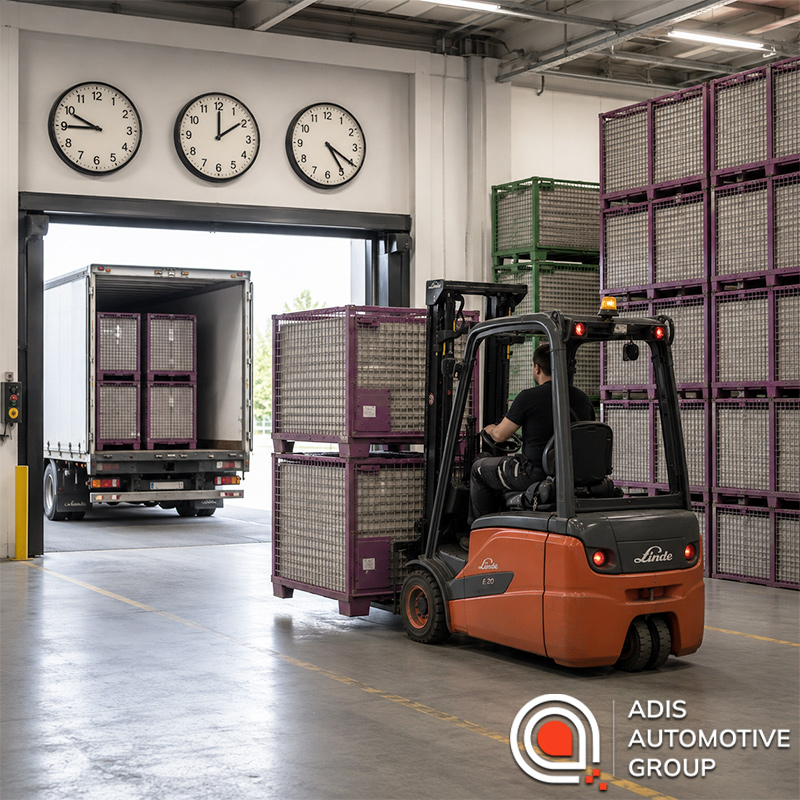
Total Cost of Ownership starts long before the first part is delivered. It begins with the manufacturing ecosystem behind every component.
It's easy to focus on piece price. It's visible, it's simple, and it fits neatly into a spreadsheet. But anyone who has managed a programme from launch to end-of-life knows the truth: piece price is only one part of the real cost of a component.
That's why, here at ADIS AUTOMOTIVE GROUP, we spend a great deal of time helping customers understand the bigger picture: Total Cost of Ownership. Because when you look beyond the unit price, the value of working with a stable, capable Central European manufacturing partner becomes much clearer.
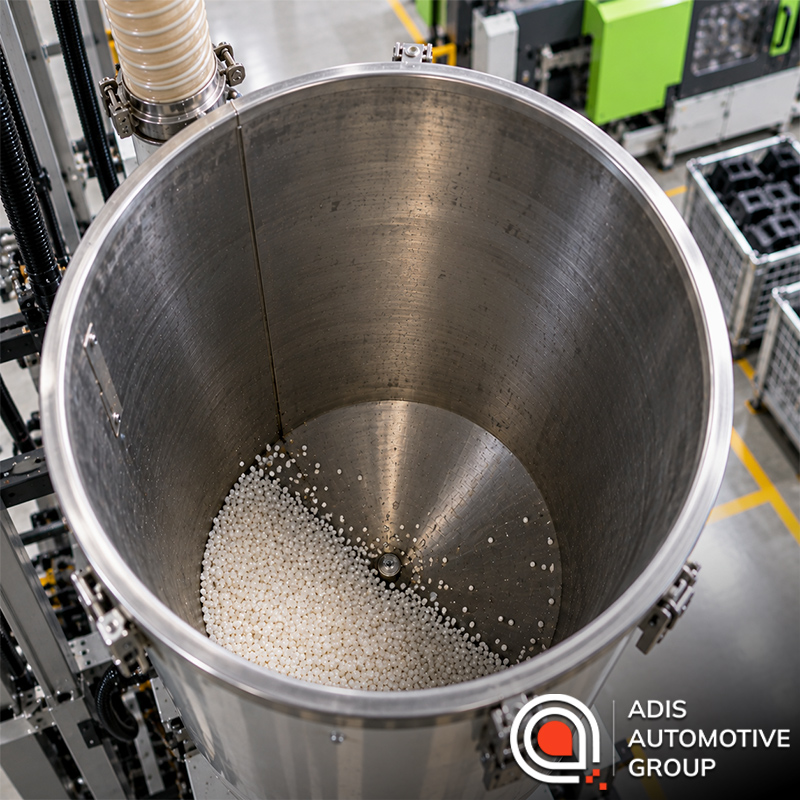
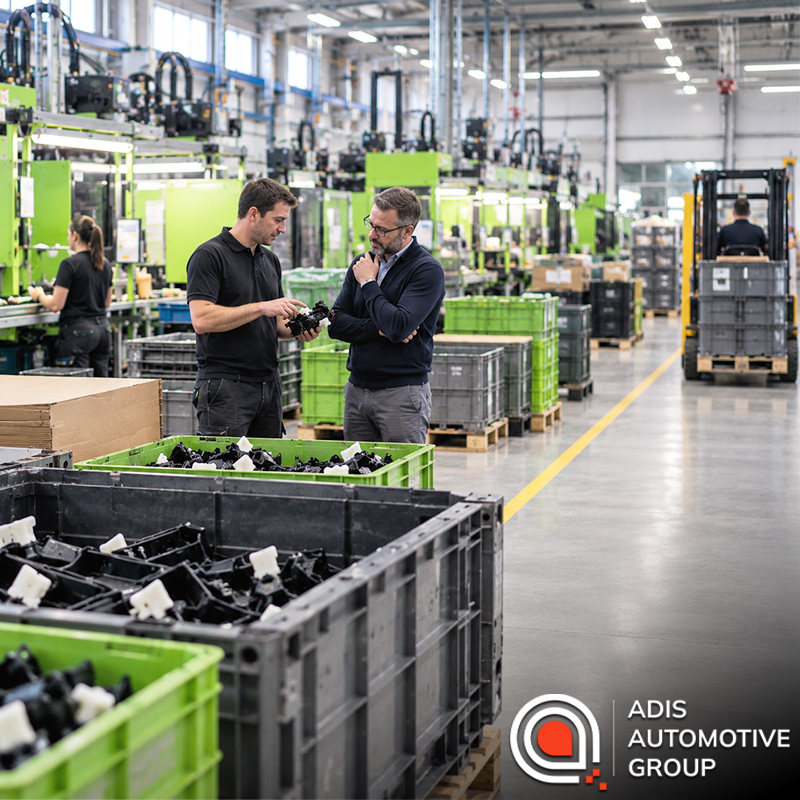
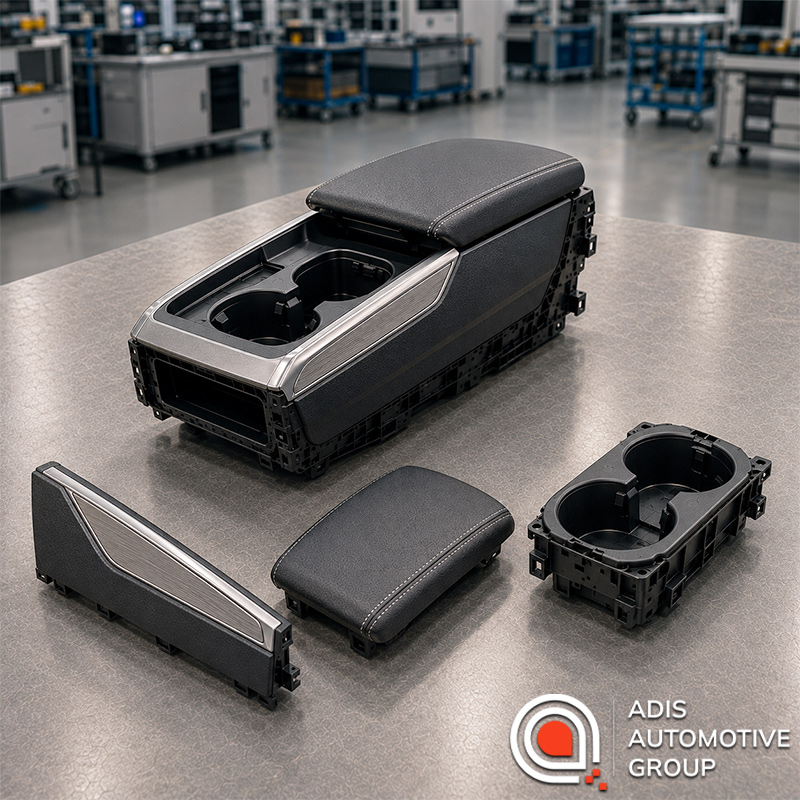
Every component exists within a much larger manufacturing ecosystem. Its true cost isn't defined by the number printed on the purchase order. It's shaped by delivery performance, process capability, logistics, engineering support, quality consistency, communication, and supply chain stability.
When capability is high, scrap stays low.
When delivery is reliable, inventory remains lean.
When communication is fast, engineering cycles become shorter.
When logistics routes are shorter, volatility decreases.
When processes are stable, programmes stay on schedule.
When these systems work together, Total Cost of Ownership naturally falls.
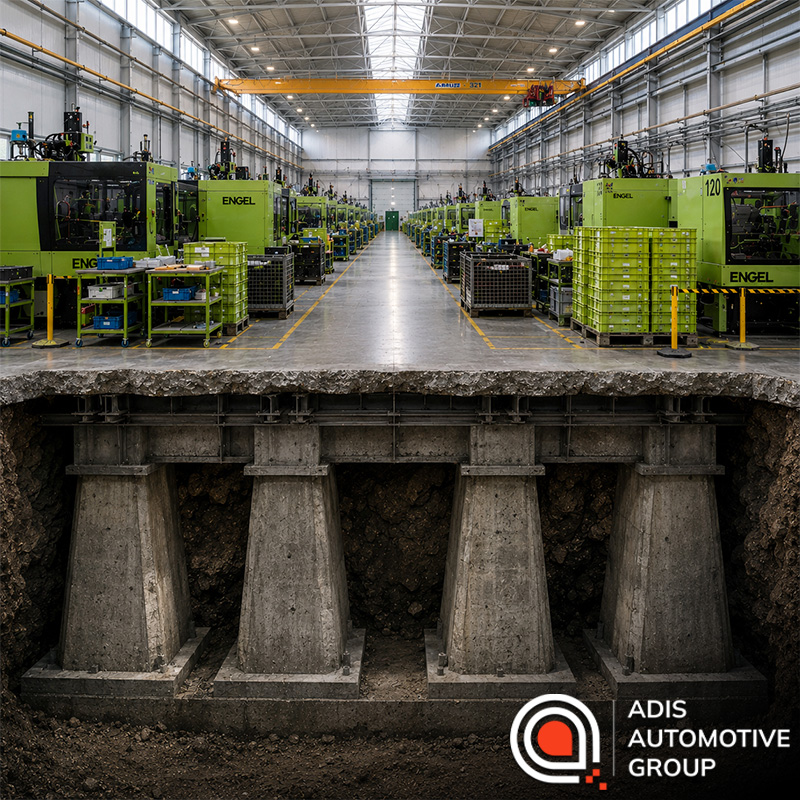
Across the entire ADIS Automotive Group, this philosophy underpins how we operate. We invest in process capability, not simply production capacity, and we build quality into the process rather than relying on inspection to find problems later. With multiple manufacturing sites at the heart of Europe, we're able to reduce supply chain risk while enabling faster collaboration with our customers.
Piece price will always matter. But stability, precision, predictable delivery, and operational resilience deliver value long after the purchase order has been issued. And those are the factors that protect margins, reputations, and production schedules.
When evaluating suppliers, do you focus primarily on piece price, or on the total cost of ownership over the life of the programme?