When does inventory stop being waste and start protecting production?
Lean manufacturing has taught us to eliminate unnecessary inventory. And for good reason.
But in automotive plastics, not every material carries the same risk.
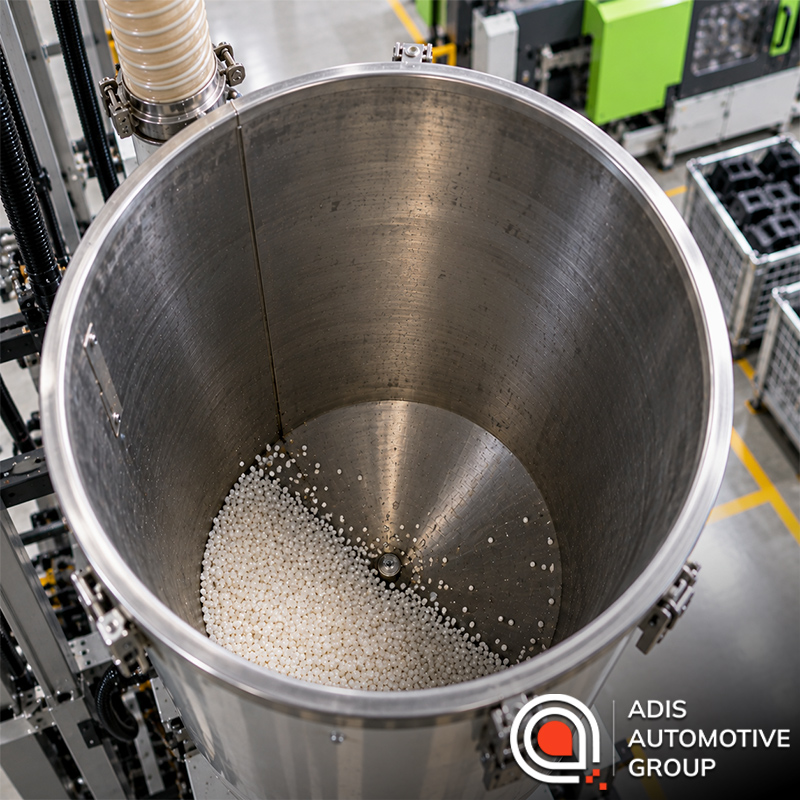
A widely available resin with several approved sources is very different from a specialty grade, additive package, or customer-approved material that can’t simply be substituted when supply gets tight. Treating those materials the same may improve an inventory metric. It doesn’t necessarily make the operation stronger.
That’s where selective, or “precision,” buffers can help.
Instead of adding stock across the board, manufacturers can identify the inputs where absence would have a disproportionate impact. Lead-time variability, supplier concentration, qualified alternatives, consumption rate, and approval requirements all matter.
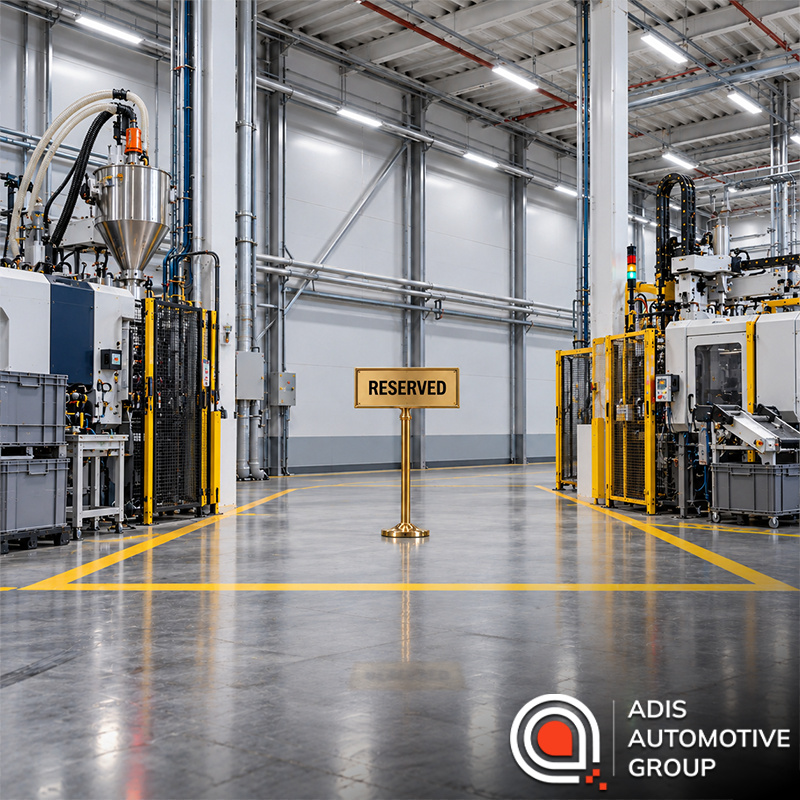
Ten pallets of readily replaceable resin might be excess inventory. A much smaller buffer of a difficult-to-source material could protect weeks of production.
Perhaps the better question isn’t only how much inventory we hold, but what happens when it runs out. 💡
This isn’t an argument against lean or JIT. A mature lean operation should eliminate inventory that adds no value while recognizing where a carefully chosen buffer protects far more value than it consumes.
The goal isn’t to carry more. It’s to know exactly what is worth carrying.