Many people think manufacturing is about machines, but in reality it’s about coordination and keeping the entire system in sync.
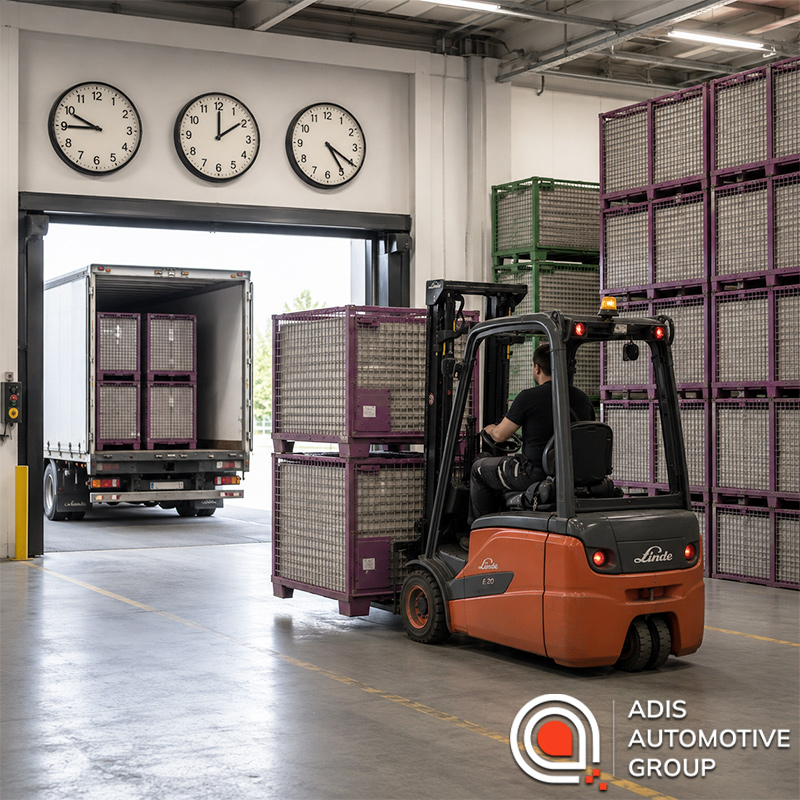
When everything runs smoothly, production can look deceptively simple from the outside. Materials arrive, machines cycle, operators monitor the process, and finished automotive components move steadily through the line. But behind that apparent simplicity sits a carefully orchestrated system where timing, communication, and preparation have to align perfectly.
Every production run has its own version of a stage plan. Materials have to arrive exactly when they’re needed. Machines need to be calibrated and ready. Operators must be aligned on the process, and quality checks have to happen at precisely the right moments.
But just like in endurance rally racing, small issues can escalate quickly. A late supplier delivery, a machine interruption, or a missing approval can push schedules off course. That’s why resilient manufacturing systems rely on several stabilizing elements:
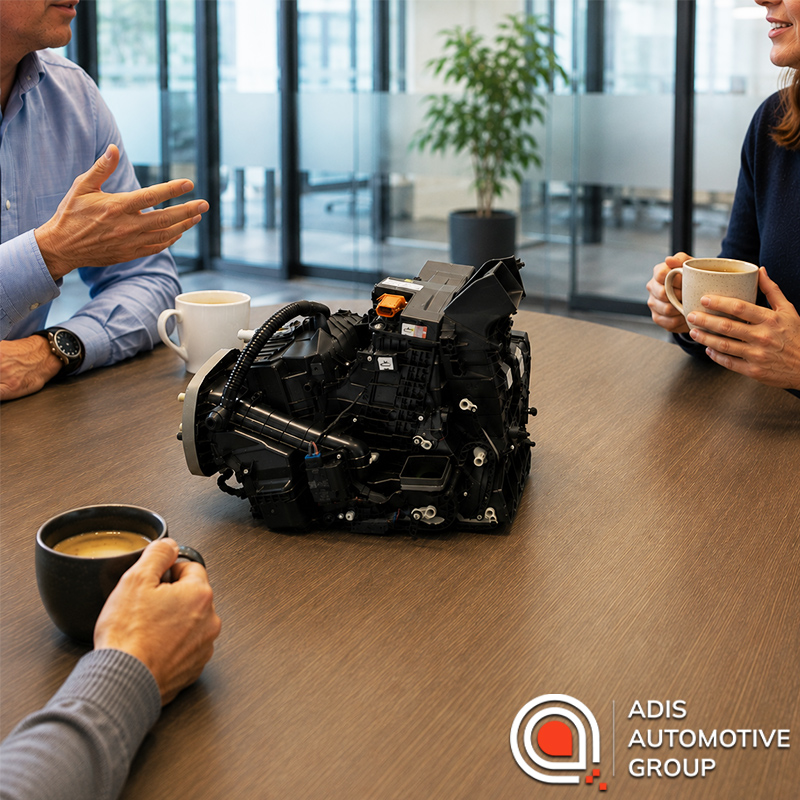
For customers, that coordination translates into fewer surprises, reliable deliveries, and confidence that their programs are supported by a partner who approaches every production run with precision and discipline.
Manufacturing may not involve deserts or navigation roadbooks, but it requires the same endurance mindset, preparation, and teamwork needed to complete the toughest rally stages.
If part of your supply chain feels like it’s running through rough terrain, it may be time to rethink the strategy. Let’s talk about how stronger coordination, visibility, and process discipline can keep production moving in the right direction! 🦾